


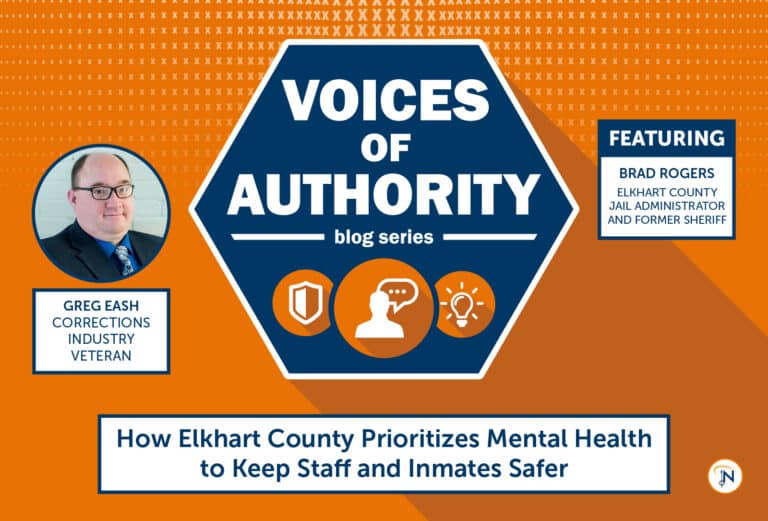
Voices of Authority: How Elkhart County Prioritizes Mental Health to Keep Staff and Inmates Safer
In this series, Greg Eash, a 25-year veteran correctional officer specializing in classification and inmate behavior management, sits down with corrections experts who are making a difference in their communities to learn about their successes, challenges, and what’s next for their jail. Greg: I’m here today with Captain Brad Rogers

Let’s Flip the Script on Public Perception of CO
We are highly trained professionals. We face tough choices every day. We do the right thing. And it makes a difference.
You’re Watching Out for the Inmates … Who’s Watching Out for You?
In our ongoing conversations with jail staff and leadership across the country, we’ve compiled a list of the top skills COs can build to stay in control and injury-free.
It’s Time to Talk About Officers’ Mental Health
Mental health concerns among correctional officers are very real, and they’re not going away. It’s time to start talking about it.
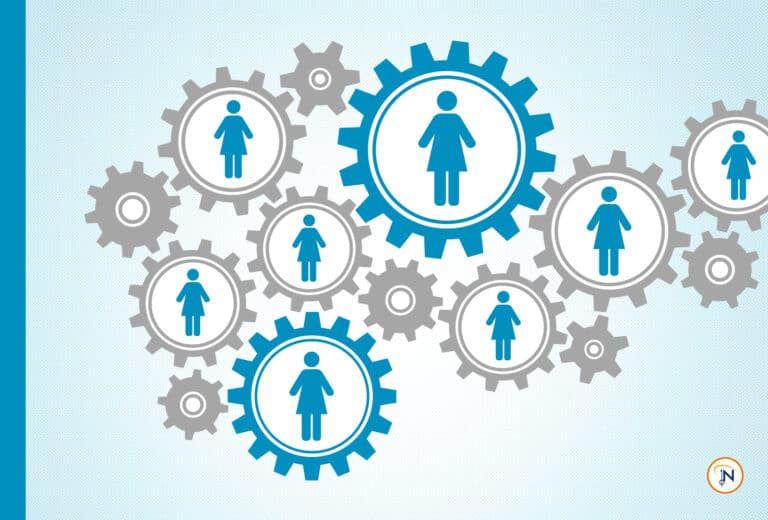
Women in Jail: Gender Awareness Matters
Decades of research shows that women typically have different motivations for criminal behavior than men, and they respond differently to treatment.

Validation and risk and data … oh, my! Corrections Trends for 2020
Customers asked questions that shed light on the current state of corrections and the trends that are starting to trickle down to agencies of all sizes. Check out our Top 3.
Rethinking Custody Management: It’s Time for a Revolution
Your custody management system should cut through chaos, not add to it. That’s why we recently launched a new way of working: Northpointe Suite Custody Management.

Why didn’t you know?
When you screen inmates at intake, you know right away what treatments, housing, and programming will be most effective for each individual, and you can make decisions that appropriately allocate resources and keep everyone safe.
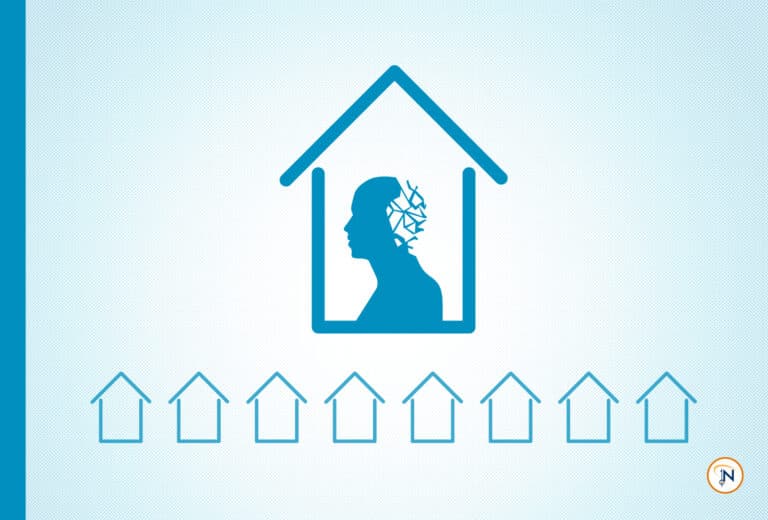
Mental Health: A challenge beyond our reach?
Placement in restrictive housing is often an attempt to protect inmates, but it can have the opposite effect, particularly for those who suffer from mental illness.